
7 ideas to add texture and depth with interior film
- Gevitt

- Mar 3
- 5 min read
Interior surfaces can feel flat when they rely only on paint or solid colors—especially in commercial refresh projects where speed, consistency, and minimal disruption matter. This guide is written primarily for B2B buyers and project stakeholders, including general contractors, fit-out teams, materials distributors, brand owners, retail chain operators, hospitality procurement teams, and facility/property managers who need reliable surface upgrades across one site or many locations.
cc
Using interior surface film as a decorative layer, you can introduce controlled texture and visual depth—wood, stone, metal, or fabric effects—while keeping existing walls, panels, doors, casework, and fixtures in place. In this article, we focus on solving three practical problems: (1) which finishes look premium and scale well across projects, (2) where to apply them for maximum ROI and customer-facing impact, and (3) how to combine finish selection, seam planning, and lighting so results stay consistent and professional on real job sites.

Why use interior film
Many renovation projects struggle with two limits: time and budget. Replacing stone panels, wood boards, or metal sheets can be expensive and disruptive.
Interior surface films solve this problem by allowing designers to upgrade the appearance of a space without removing the original substrate. A thin decorative layer can transform doors, cabinets, walls, and columns while reducing labor, waste, and installation time.
Another reason designers prefer this method is flexibility. The same material can wrap around curved surfaces, edges, and corners where traditional materials would require cutting or rebuilding.
How to choose the right interior film
Choosing a interior film is not only about color. The perception of depth usually comes from three elements working together.
Texture scale matters. Fine textures create subtle sophistication, while larger patterns create stronger visual contrast.
Surface reflectivity also plays a role. Matte finishes absorb light and feel calm, while semi-gloss or metallic surfaces reflect light and create stronger dimensional effects.
Finally, lighting interacts with surface texture. Directional lighting can highlight small patterns and make surfaces appear more layered.
Idea 1 wood
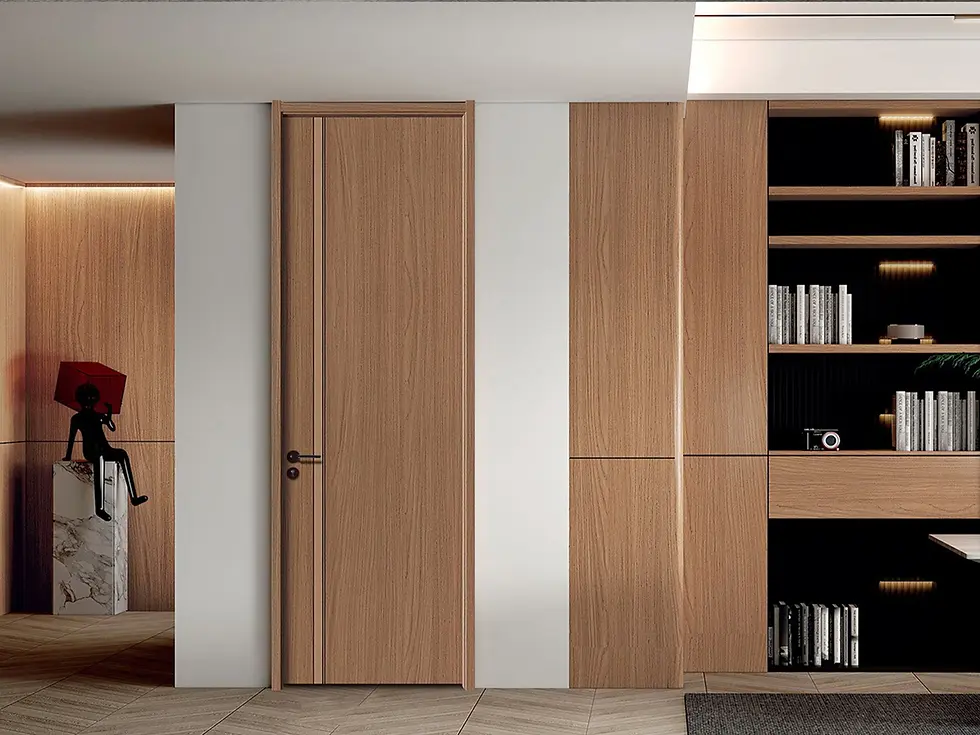
Wood-inspired finishes remain one of the most widely used options in interior design. Natural grain patterns create warmth and visual depth without overwhelming a space.
For example, a wood pattern applied to cabinets or wall panels can instantly make a room feel more inviting. Lighter grains often work well in Scandinavian-style interiors, while darker tones are common in office spaces or hospitality environments.
Because the pattern flows across large panels, it helps create continuity across a room.
Idea 2 stone
Stone-inspired surfaces add a sense of architectural strength. Marble, limestone, or concrete looks often appear in feature walls, reception areas, or kitchen surfaces.
These finishes work especially well when the goal is to create a strong focal point. A stone pattern behind a reception desk or kitchen island immediately gives the space a solid visual anchor.
Unlike real stone slabs, decorative films make it possible to achieve this effect without heavy materials.

Idea 3 metal
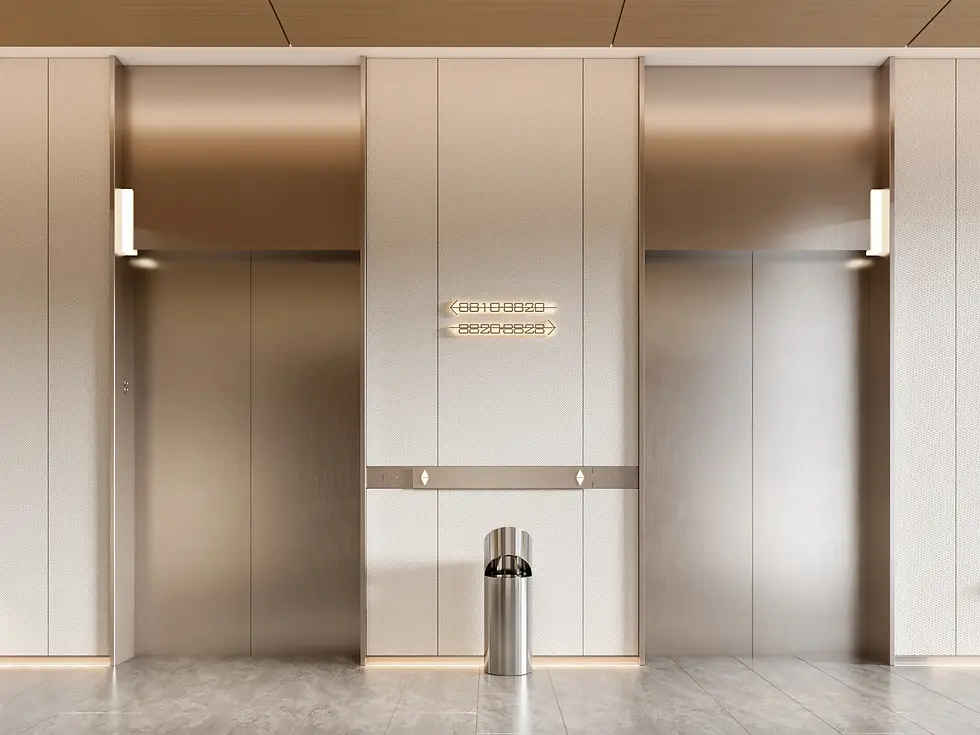
Metal-inspired finishes introduce contrast. Brushed aluminum, oxidized metal, and steel-like surfaces reflect light differently from surrounding materials.
In modern interiors, metallic textures often appear in elevators, office partitions, and retail displays. When used carefully, they break the monotony of flat surfaces and bring a contemporary feeling to the space.
Even small accents can change how light moves across a room.
Idea 4 fabric
Fabric-like textures are often used when designers want depth without strong visual contrast. Linen-style or textile-inspired surfaces provide a soft background pattern.
These finishes are commonly used in offices, hotel rooms, and residential spaces where calm environments are preferred.
The texture is subtle, but it prevents the surface from looking flat.

Idea 5 matte and gloss
Combining different surface finishes is another simple way to introduce depth. Matte and glossy areas interact differently with light.
For example, a matte wall surface paired with a glossy panel can create a layered appearance even when both surfaces share a similar color.
This method is often used in minimalist interiors where color variation is limited but texture contrast remains important.

Idea 6 mix materials
Layering multiple textures in the same space can dramatically increase visual richness.
Wood surfaces may be combined with metallic accents, while stone-like textures may appear next to smooth matte panels. The contrast between materials creates depth without requiring complicated structural changes.
Designers often apply this approach to reception areas, commercial interiors, or feature walls.

Idea 7 lighting focus
Lighting can amplify texture. Directional lighting highlights surface patterns and shadows, making even subtle finishes appear more dimensional.
For instance, a textured wall illuminated by soft side lighting can reveal patterns that remain invisible under flat overhead lighting.
Because of this effect, lighting is often considered part of the surface design rather than a separate element.

Where to apply
Interior films can be used across many surfaces.
Common applications include walls, cabinets, doors, columns, elevators, and office partitions. Retail displays and reception counters are also popular because textured surfaces attract attention without requiring heavy materials.
These areas usually benefit the most from visual upgrades.
Installation basics
Successful installation depends more on preparation than on the material itself.
The surface should be clean, stable, and smooth before application. Old sealants, dust, and uneven paint layers can cause adhesion problems.
During installation, pressure should be applied evenly while removing trapped air. Edges and corners need careful finishing so that moisture and dust cannot enter.
Taking time during preparation often prevents problems later.
Care and maintenance
Most decorative surface films require only simple maintenance.
Regular cleaning with a soft cloth and mild detergent is usually sufficient. Abrasive cleaners and harsh solvents should be avoided because they can damage the protective coating.
With proper care, the surface can maintain its appearance for many years.
FAQ
Can decorative interior films really imitate natural materials?
Modern manufacturing allows detailed textures and patterns that visually resemble wood, stone, or metal surfaces.
Where do these materials create the most impact?
Feature walls, cabinets, reception counters, and doors are often the most effective locations.
Are they difficult to install?
The process requires careful preparation and consistent pressure during installation, but it is generally faster than traditional renovations.
Will the texture fade over time?
High-quality finishes include protective layers that help maintain color and pattern stability under normal indoor conditions.
Summary
Adding texture to interior surfaces does not always require major construction. By introducing layered materials, contrast in finishes, and thoughtful lighting, spaces can gain depth and character without structural changes.
Decorative surface films offer designers and property owners a flexible way to refresh interiors while controlling renovation costs and installation time.
Ready to explore textured surface solutions?
If you are planning a renovation or looking for ways to add depth to walls, doors, or cabinets, the team at Gevitt can help you evaluate suitable finishes and applications for your project.
Contact us for material recommendations, technical guidance, or sample support.
Email: support@gevitt.com
Phone / WhatsApp: +86 15738309271


Comments