
Maintain vinyl wraps high traffic commercial areas
- Dora

- Jan 9
- 4 min read
January 9, 2026 — Dora (Sales Manager)
High-traffic commercial zones—elevator doors, reception desks, corridor walls, restroom partitions, café counters—don’t “wear out evenly.” A surface can look perfect in photos but fail at the edges, dull in the center lane, or stain near handles.

The good news: most failures come from repeatable causes (grit abrasion, harsh chemicals, edge moisture, and rushed spot-cleaning), which means you can prevent them with a simple, documented routine—especially when you’re using lamination decorative film (also searched as PVC lamination film, decorative laminate film, architectural wrap film, self-adhesive decorative film, surface wrap film) designed for durability and consistent appearance.
What damages a vinyl wrap first in busy commercial spaces?
The fastest way to shorten service life is assuming “traffic” is just footsteps. In real sites, damage usually concentrates in predictable touchpoints:

High-friction lanes on vinyl wrap surfaces
Grit + wiping: dust + sand becomes sandpaper when wiped dry on glossy or matte finishes.
Repeated hand contact: oils around pulls, push plates, rails, kiosk edges.
Impact points: cart corners, luggage wheels, chair backs, mop buckets.
Edge moisture: wet mops, spray-and-forget cleaners, and standing water at seams.
Example: A hotel elevator wrap often looks flawless at eye level but starts whitening near the bottom corners—exactly where housekeeping carts and mop heads “kiss” the surface every day.
How do you clean a vinyl wrap without dulling the finish?
A commercial-friendly rule: remove grit first, then wash, then fully dry. This protects both appearance and edges.

Daily / shift-cleaning for vinyl wrap
Dry dust with a soft microfiber (no scrubbing).
If the surface is gritty, lightly dampen first to avoid micro-scratches.
Weekly wash for lamination decorative film and wraps
Use mild soap + water, wipe gently, then rinse with clean water and dry.
For stubborn spots, many wrap-care guides recommend diluted isopropyl alcohol for spot cleaning and avoiding abrasive pads or strong solvents like acetone/paint thinner. (ridgewraps)
If alcohol is used, it’s smart practice to rinse/wipe with water afterward to remove residue and keep the finish even. (Camira Fabrics)
Authoritative reference (facility-safe cleaning logic): CDC guidance on when to clean vs. disinfect, and why “clean first” matters in real facilities.
How do you stop edge lift and seam failure on a vinyl wrap?

Edge issues are usually maintenance + detailing, not “bad material.”
Edge-protection habits for vinyl wrap
Don’t blast seams with spray bottles—apply cleaner to cloth first.
Dry seams and corners after cleaning (especially near sinks, mop closets, restrooms).
Add simple physical protection where traffic is guaranteed: clear corner guards, kick plates, or replaceable “wear strips.”
Spec + process support matters
For commercial rollouts, consistency comes from matching base film + adhesive system + surface treatment to your substrate and cleaning reality—and validating adhesion on real panels before scaling. Giwett supports configurable constructions, installation guidelines, and adhesion/substrate testing support to reduce risk in high-touch zones.
When should you repair vs. replace a vinyl wrap panel?
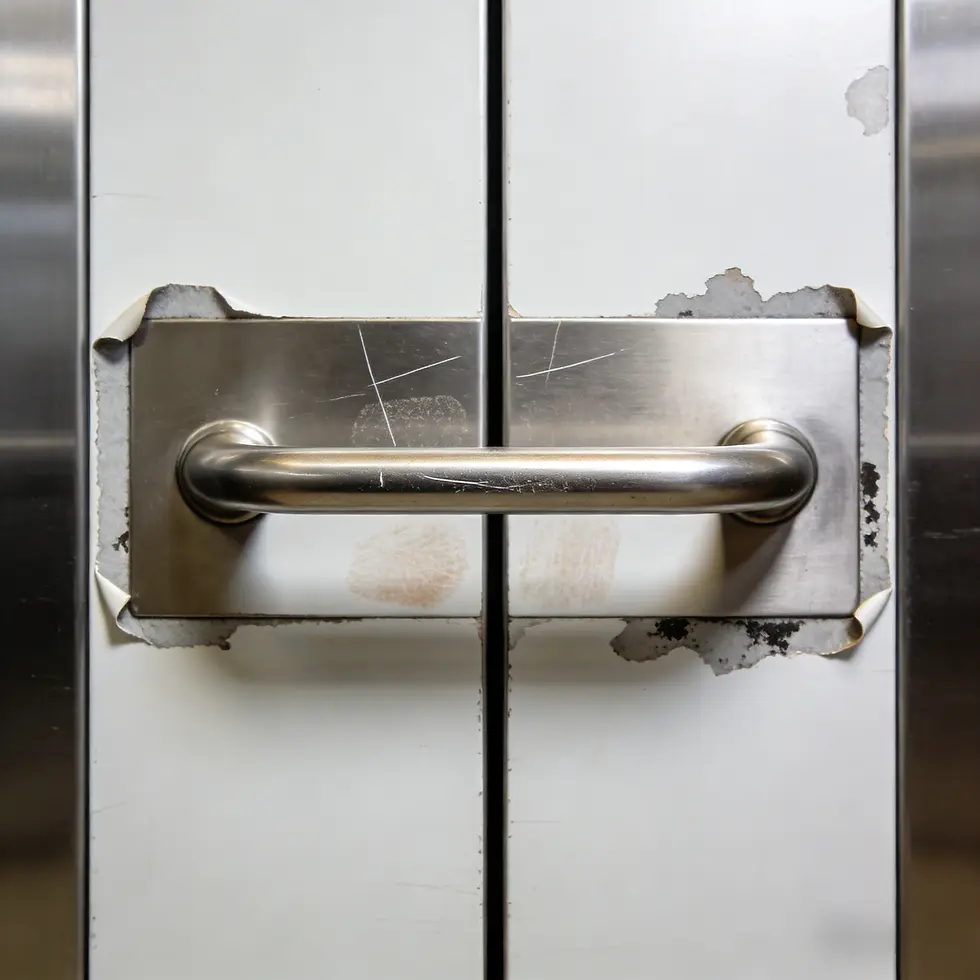
Think in “panels,” not “entire walls.” Fast swaps keep spaces presentable without downtime.
Quick triage for vinyl wrap
Replace if: deep gouges, edge contamination (dirty water under film), or repeated lifting at the same seam.
Repair if: small puncture, minor corner nick, isolated stain that hasn’t etched the surface.
Example: In a retail corridor, replacing only the 2–3 most-hit panels near the stockroom door often restores the whole area visually—because customers judge the “worst 10 feet,” not the full 200 feet.
A key scalability trick is keeping color/texture archives so replenishment panels match the original look across time and batches.
Which vinyl wrap build is best for high-traffic commercial areas?
If the project is truly high-contact, don’t spec like a residential makeover.
What to look for in lamination decorative film / decorative laminate film
More robust thickness / protective top layer for abrasion and stain resistance
Embossed textures that hide micro-scratches better than flat gloss
Anti-yellowing and dimensional stability for consistent appearance under cleaning cycles and indoor heat swings
Confirm your site requirements (cleaning chemicals, disinfection routines, and any compliance needs) and test a sample panel in the exact location.
FAQ: what people ask about vinyl wrap maintenance in commercial spaces
1) How often should I clean a vinyl wrap in a high-traffic area?
Daily dusting for grit control, weekly wash for film longevity, and immediate spot cleaning for spills/oils.
2) Can I disinfect a vinyl wrap without damaging it?
Usually yes, but follow a “clean first” approach and avoid overuse of harsh chemistry. CDC emphasizes cleaning before disinfecting and being purposeful about when disinfection is needed.
3) Is isopropyl alcohol safe on vinyl wrap?
Often used for spot cleaning when diluted and applied gently; avoid abrasive pads and strong solvents (like acetone/paint thinner). (ridgewraps)If you use alcohol-based disinfectants, rinsing/wiping with water afterward helps reduce residue and finish unevenness. (Camira Fabrics)
4) Why does my vinyl wrap look “cloudy” after cleaning?
Common causes: dry wiping gritty dust, chemical residue, or using rough pads. Switch to microfiber, rinse after wash, and dry fully.
5) How do I prevent seams from lifting on a vinyl wrap?
Keep seams dry, avoid spraying directly into edges, and protect the lowest/highest-impact corners with guards or replaceable strips.
6) What’s the fastest way to handle stains on lamination decorative film?
Treat quickly: mild soap + water first, then targeted spot cleaning (tested on a hidden area). The longer stains sit, the harder they are to remove cleanly.
7) How long will an interior commercial vinyl wrap last?
It varies by traffic, cleaning, and film build. Many interior-wrap references cite multi-year ranges when properly maintained, but real lifespan is site-dependent—test your routine and track wear by zone. (House of Wrap)
8) Should I replace the whole wall when one section fails?
Not usually. Panel-based replacement is common in architectural wrap workflows and minimizes downtime. (R.A.W.)
Want a maintenance plan your staff will actually follow?
If you tell us where the vinyl wrap is used (elevators, doors, counters, walls), what it’s applied to (metal, MDF, laminate board, glass), and how it’s cleaned today, we’ll send a practical, site-ready checklist: daily/weekly steps, “do-not-use” items, and a simple testing method for your cleaning chemicals—so your surfaces stay consistent in the highest-visibility zones.
Contact: support@gevitt.com
WhatsApp / Phone: +86 15738309271



Comments