
Our Solutions for Unsuccessful Adhesive Coating Installation: Bubbles, Creases, Visible Joints
- Project Desk

- Jan 26
- 3 min read
January 26, 2026 —Project Desk
Few things are more frustrating than completing an Adhesive Coating Installation only to see bubbles, creases, or visible joints appear on the surface.
These issues are among the most searched problems related to vinyl wrap, lamination decorative film, and PVC lamination film—and they rarely come from “bad material” alone.
In reality, most failures happen at the intersection of surface condition, installation technique, and environmental control.
This article breaks down why these problems occur and offers practical, proven solutions you can apply immediately.
Summary: clean results come from system thinking, not shortcuts.

Why do bubbles form during vinyl wrap Coating Installation?
Air bubbles are the most common complaint installers and DIY users report. They usually appear during installation or shortly after, when trapped air expands or adhesive contact is uneven.
Common causes of vinyl wrap bubbles
Dust or debris left on the surface
Uneven squeegee pressure
Applying film too quickly without air release
Cold temperatures that stiffen the film
Practical solutions to prevent bubbles
Thoroughly clean and dry the surface before installation
Apply lamination decorative film from the center outward
Use slow, overlapping squeegee strokes
Allow the vinyl wrap to acclimate to room temperature
Example: In kitchen cabinet projects, installers who pause to clean edges and corners often eliminate the small bubbles that later grow more visible under lighting.
Summary: bubbles are usually a preparation issue, not an adhesive flaw.

How can you avoid creases when Coating Installation vinyl wrap?
Creases occur when the film is overstretched or repositioned improperly, especially around corners and edges.
Why vinyl wrap creases happen
Pulling the film too tightly during alignment
Repositioning the same area repeatedly
Applying uneven tension on complex shapes
Vinyl wrap techniques to prevent creasing
Use gentle, even tension—never force the film
Work in smaller sections for better control
Relax the film before final edge wrapping
Avoid sharp angle pulls when repositioning
Example: On flat wall panels, dividing the surface into sections before applying decorative laminate film often results in a smoother finish with no visible folds.
Summary: creases form when control is lost—slow down and reduce tension.

What causes visible joints
in vinyl wrap projects?
Visible seams or joints can break the illusion of a seamless surface and are a major concern in decorative projects.
Reasons joints become visible
Incorrect overlap alignment
Mismatched film direction or grain
Inconsistent pressure along seam lines
Poor planning of seam placement
Solutions for cleaner vinyl wrap joints
Plan seam locations in low-visibility areas
Maintain consistent overlap width
Match pattern direction carefully
Apply firm but even pressure along joints
Example: In commercial wall applications, installers who align woodgrain vinyl wrap consistently from panel to panel report far fewer customer complaints about visible seams.
Summary: joint visibility is a planning issue long before installation begins.
How do environment and conditions affect adhesive coating results?
Temperature, humidity, and airflow significantly influence adhesive performance. Many users underestimate these factors.
Guidance from the U.S. Environmental Protection Agency explains how indoor temperature and moisture affect surface materials and adhesives, especially during renovations.
Authoritative educational reference:https://www.epa.gov/indoor-air-quality-iaq
Environmental best practices for vinyl wrap installation
Install in moderate temperature ranges
Avoid high humidity during application
Ensure stable airflow without strong drafts
Allow time for adhesive to settle before use
Summary: controlling the environment protects the finish as much as technique does.
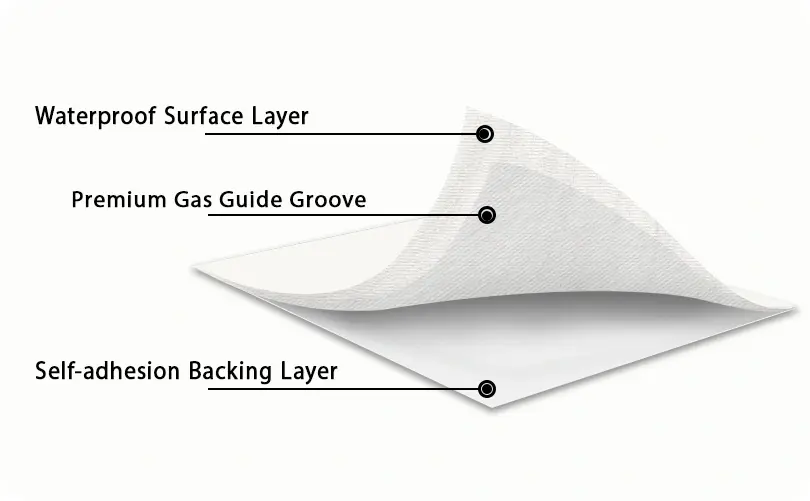
How can a systematic approach improve vinyl wrap success?
The most successful projects follow a repeatable workflow rather than improvising.
A simple vinyl wrap installation checklist
Inspect and prepare the substrate
Test a small patch first
Control temperature and humidity
Apply with steady pressure and pacing
Inspect edges, corners, and seams under light
Summary: a consistent process prevents repeat problems and reduces rework.

FAQ: Vinyl wrap installation problems and solutions
1) Can bubbles be fixed after installation?Small bubbles can sometimes be worked out early, but prevention is far easier than repair.
2) Why do creases appear days later?They often result from overstretching that relaxes after installation.
3) Are visible joints unavoidable?No. With proper planning and alignment, seams can be nearly invisible.
4) Does thicker vinyl wrap prevent bubbles?Not necessarily—surface prep and technique matter more than thickness.
5) Should heat be used to fix installation issues?Use heat cautiously; excessive heat can worsen stretching and creasing.
6) Is lamination decorative film harder to install than paint?It requires technique, but results are more predictable once the process is learned.
7) How long should vinyl wrap rest after installation?Avoid heavy contact for at least 24 hours to allow adhesive stabilization.
Need help achieving a flawless vinyl wrap finish?
If bubbles, creases, or visible joints are holding back your projects, we can help you choose the right vinyl wrap / PVC lamination film and share installation guidance tailored to your surfaces and environment.
Contact: support@gevitt.com
Tel / WhatsApp: +86 15738309271



Comments