
The Cost Saving Benefits of Interior Film
- Gevitt

- Apr 3
- 3 min read
April 3, 2026 — gevitt
Renovation projects are rarely judged only by design—they are judged by cost, downtime, and long-term value. For property owners, contractors, and commercial buyers, the biggest challenge is clear: how to upgrade surfaces without overspending or shutting down operations.
This is where interior film, also known as vinyl wrap, lamination decorative film, PVC decorative film, or architectural surface film, becomes a practical solution. Instead of replacing walls, doors, cabinets, or panels, you upgrade the surface layer—reducing cost while maintaining a high-end finish.
Why does vinyl wrap reduce renovation costs?
Traditional renovation often involves demolition, disposal, and rebuilding. These hidden costs quickly exceed initial budgets.
Vinyl wrap saves on material and labor
No need to remove existing substrates
Less construction labor required
Reduced waste disposal costs
Faster installation timelines
Example: In hotel corridor upgrades, replacing wall panels may take weeks. Using lamination decorative film, the same corridor can be refreshed in days—without removing the original structure.
Summary: The biggest savings come from what you avoid—demolition, labor complexity, and downtime.
How does vinyl wrap reduce downtime costs?
Downtime is often the most expensive part of any renovation, especially in commercial environments.
Vinyl wrap enables faster project completion
Minimal noise and dust
Phased installation possible
Faster reopening of spaces
Reduced business interruption
For retail stores, hotels, and offices, staying operational is critical. Renovation using decorative surface film allows upgrades to happen in stages, protecting revenue flow.
The U.S. Environmental Protection Agency highlights how renovation activities can impact indoor environments and operations, emphasizing the importance of minimizing disruption and controlling conditions during upgrades.
Summary: Faster projects mean less revenue loss and better operational continuity.
Can vinyl wrap extend the life of existing assets?
Replacing surfaces is expensive—not just in cost, but in time and logistics.
Vinyl wrap protects and renews surfaces
Covers worn or outdated finishes
Adds a protective layer against scratches
Delays full replacement cycles
Supports long-term asset management
Example: Office desks or cabinet doors that show wear can be resurfaced with PVC lamination film instead of being replaced, extending their usable life significantly.
Summary: Interior film turns replacement costs into maintenance costs.
How does vinyl wrap compare to traditional materials?
Many customers ask whether decorative film can truly replace traditional materials like paint, wood, or stone.
Vinyl wrap vs traditional renovation
Paint requires multiple coats and drying time
Real materials involve high material and transport costs
Film provides consistent texture and finish
Easier to standardize across multiple locations
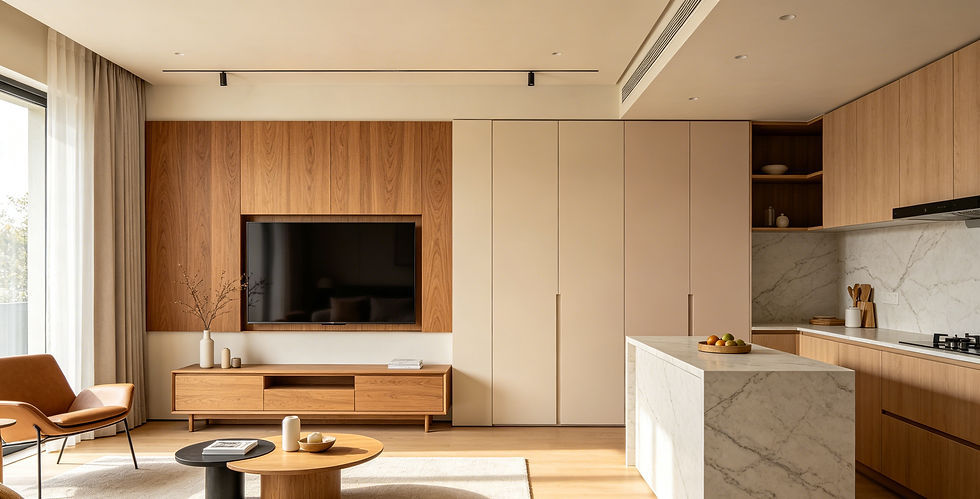
With modern decorative laminate film, textures such as woodgrain, stone, and metallic finishes can be replicated with strong visual consistency.
Summary: Interior film offers a balance between cost, speed, and design flexibility.
What should you consider before choosing vinyl wrap?
Cost savings only happen when the solution is applied correctly.
Vinyl wrap planning essentials
Surface condition must be stable and smooth
Proper cleaning and preparation are critical
Choose the right finish for the environment
Plan edges, seams, and high-contact areas
Ignoring preparation can lead to rework, which reduces cost efficiency.
Summary: Good planning ensures that cost savings are realized, not lost.
FAQ
1) Is vinyl wrap cheaper than painting?In many cases, yes—especially when labor, drying time, and rework are considered.
2) How long does interior film last?With proper installation and maintenance, it can last for years in interior environments.
3) Can vinyl wrap be used in commercial spaces?Yes. It is widely used in hotels, offices, retail stores, and public facilities.
4) Does it look like real materials?Modern lamination decorative films replicate wood, stone, and metal textures with high realism.
5) Is it suitable for large projects?Yes. It is often preferred for multi-site projects due to consistency and scalability.
6) What surfaces are suitable?Smooth, stable surfaces such as panels, doors, cabinets, and walls work best.
Final Thoughts
The true value of interior film is not just lower material cost—it is the combination of reduced labor, faster timelines, extended asset life, and minimized disruption.
For businesses and property owners, this translates into better control over renovation budgets and faster return on investment.
Ready to reduce your renovation costs?
If you are looking for a smarter way to upgrade interiors using vinyl wrap or lamination decorative film, the team at Gevitt can help you find the right solution for your project.
With over a decade of expertise in decorative film systems and global supply capabilities, we support projects from sampling to mass production, helping you reduce cost while maintaining quality.
Contact us today:
Email: support@gevitt.com
WhatsApp / Tel: +86 15738309271


Comments