
Hotel renovation by nelcos transforming hospitality
- Gevitt

- Mar 6
- 3 min read
Hotel interiors age quickly. Guest expectations evolve, design trends change, and surfaces such as doors, elevators, and corridors often show wear long before a building reaches the end of its life cycle. Because of this, many hospitality operators search for renovation methods that refresh spaces quickly without shutting down operations.
One approach gaining attention in hospitality renovation is the use of surface films and vinyl wrap solutions. Instead of removing walls, panels, or furniture, decorative lamination films can upgrade the appearance of existing structures. For hotels, this means faster upgrades, less disruption to guests, and more consistent branding across rooms and public areas.
How can vinyl wrap improve hotel renovation efficiency?
Traditional renovation often requires removing old materials, rebuilding surfaces, and repainting entire spaces. This process can interrupt hotel operations for weeks.
Vinyl wrap solutions for hospitality surfaces
Surface films offer an alternative. They allow designers to cover existing substrates such as wood panels, doors, cabinets, elevators, and reception desks with a new finish layer. The underlying structure remains intact, but the visible appearance changes completely.
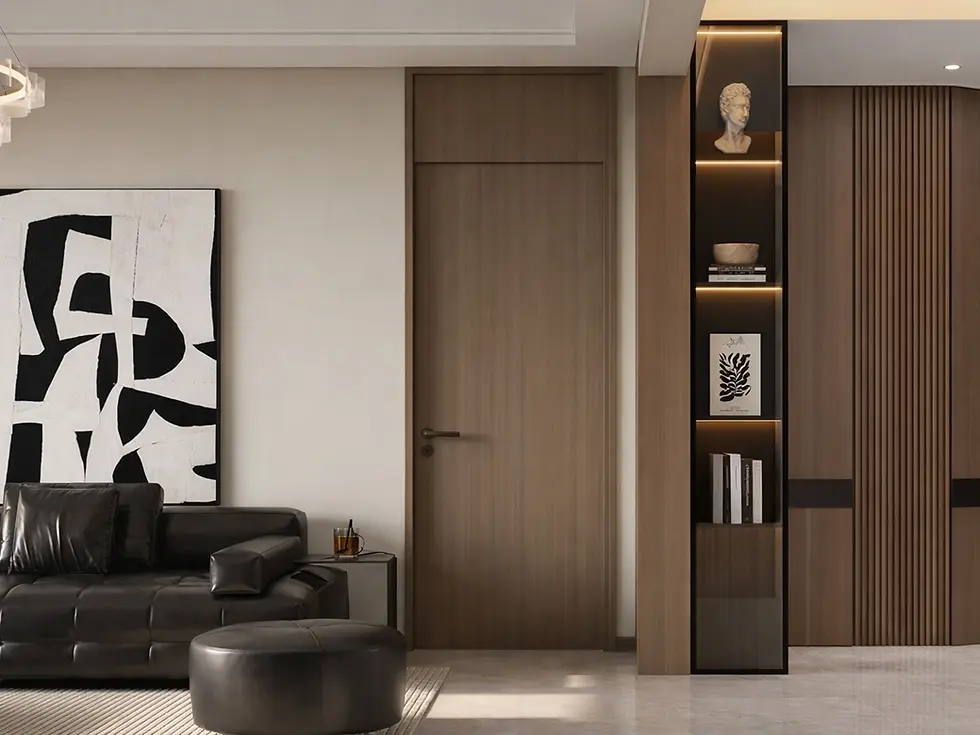
For example, an outdated hotel corridor with worn wooden panels can be refreshed with a modern woodgrain lamination decorative film. Similarly, elevator interiors can adopt metallic textures that match contemporary hospitality aesthetics.
Because the installation process is relatively fast, hotels can renovate sections of a property while keeping the rest operational.
Why do hotels choose vinyl wrap over traditional materials?
Hotel renovations must balance aesthetics, durability, and operational efficiency.
Vinyl wrap advantages in hospitality renovation
Decorative architectural films can replicate materials such as wood, stone, fabric, or metal without the weight or cost of the original materials. This allows designers to create visually rich spaces while maintaining practical renovation budgets.
Another advantage is design consistency. When multiple hotels within a brand require upgrades, the same surface finish can be applied across different locations, ensuring a unified visual identity.
The U.S. Environmental Protection Agency also notes that renovation materials and indoor air quality must be carefully considered in interior environments. Surface renovation systems that minimize demolition can reduce dust and construction disruption.
Authoritative reference: https://www.epa.gov/indoor-air-quality-iaq
How does vinyl wrap support modern hospitality design trends?
Hospitality design today focuses on atmosphere and guest experience.

Vinyl wrap finishes used in hotels
Hotels increasingly combine different textures to create depth in interior spaces. Popular approaches include wood textures in guest rooms, stone-inspired surfaces behind reception desks, and brushed-metal looks inside elevators.
For instance, boutique hotels often combine warm wood patterns with matte finishes to create a comfortable, residential atmosphere. Large chain hotels may prefer neutral stone textures that maintain a timeless look while resisting visual wear.
Using decorative films makes it easier to experiment with these textures without committing to expensive structural materials.
How can vinyl wrap simplify hotel maintenance?
Maintenance costs are a major concern for hotel operators.
Vinyl wrap repair advantages
When a surface becomes scratched or damaged, a small section can often be replaced rather than rebuilding the entire structure. This flexibility helps hotels maintain consistent interiors over time.
Many modern lamination decorative films include protective layers designed to resist everyday wear, making them suitable for high-traffic hospitality environments such as hallways and elevator lobbies.

FAQ
Can vinyl wrap be used in hotel guest rooms?
Yes. Surface films are commonly applied to furniture panels, doors, wardrobes, and wall features in guest rooms.
Is decorative film durable enough for hospitality environments?
High-quality architectural films are designed for interior commercial spaces and can withstand frequent contact when properly installed.
Can hotels renovate without closing entire floors?
Yes. Because installation is faster than traditional reconstruction, renovation can often be performed in phases.
What surfaces work best for vinyl wrap?
Smooth and stable surfaces such as wood panels, metal, laminates, and certain composite materials are commonly used.
Does the finish look realistic?
Modern decorative films reproduce detailed textures, allowing them to resemble natural materials like wood, stone, or brushed metal.
Conclusion
Hospitality renovation is no longer limited to demolition and rebuilding. By applying advanced surface finishes, hotels can refresh interiors more efficiently while preserving the existing structure. Decorative films and vinyl wrap technologies provide designers with flexible tools to transform guest rooms, corridors, elevators, and public spaces.
For hotel operators, the result is a faster renovation cycle, consistent design identity, and a more comfortable guest experience.
Ready to upgrade your hospitality interiors?
If you are planning a hotel renovation and want to explore modern surface solutions such as vinyl wrap and lamination decorative film, the team at Gevitt can help you evaluate finishes, textures, and installation strategies for hospitality environments.
Contact us for samples or technical guidance:
Email: support@gevitt.com
Phone / WhatsApp: +86 15738309271


Comments