
Traditional Paint vs. Architectural Film: Pros and Cons
- Gevitt

- Feb 26
- 3 min read
February 27, 2026 — gevitt
When planning a renovation, one of the first decisions is how to update surfaces: traditional paint or architectural film? For homeowners, property managers, and commercial operators, the real concerns are not just color—but durability, downtime, maintenance, and long-term cost.
Architectural film—often referred to as vinyl wrap, lamination decorative film, or PVC lamination film—has become a serious alternative to paint in kitchens, offices, hotels, elevators, and retail spaces. This article breaks down the practical pros and cons so you can choose the solution that truly fits your project.

Which Option Is More Durable: Paint or Architectural Film?
Durability is one of the most searched comparison points online.
Vinyl Wrap vs. Paint in High-Traffic Areas
Paint: Can chip, scratch, and show roller marks over time
Vinyl wrap / architectural film: Engineered surface layer resists scuffs and minor impacts
Moisture resistance: Film performs better in kitchens, bathrooms, and commercial corridors
Example: In office door renovations, painted doors often show edge wear within months. A properly installed lamination decorative film typically maintains a uniform finish much longer.
Summary: For high-contact surfaces, vinyl wrap often outperforms paint.
How Do Installation Time and Downtime Compare?
Time is money—especially in commercial environments.

Vinyl Wrap Installation vs. Painting Process
Traditional paint requires:
Surface sanding
Priming
Multiple coats
Drying and curing time
Strong ventilation
Vinyl wrap installation requires:
Surface cleaning
Controlled application
Minimal curing time
Because paint releases volatile compounds during drying, ventilation is critical. The U.S. Environmental Protection Agency explains how indoor air quality can be affected during renovation activities.
Which Is More Cost-Effective Over Time?
Initial material price doesn’t tell the full story.
Long-Term Cost Comparison: Paint vs. Lamination Decorative Film
Paint may require frequent touch-ups
Architectural film can extend surface life
Vinyl wrap allows panel-by-panel replacement
Less downtime reduces operational losses
Example: Retail stores often repaint walls every few years due to scuffs. Wrapped panels can simply be rewrapped without full repainting cycles.
Summary: Total lifecycle cost often favors vinyl wrap in commercial settings.

What About Aesthetics and Design Flexibility?
Design flexibility is where both solutions shine—but in different ways.
Design Options with Vinyl Wrap
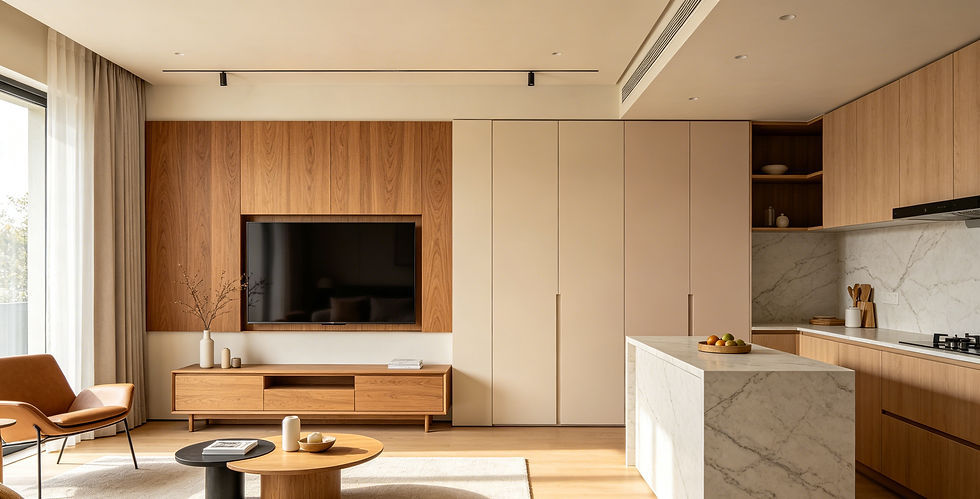
Realistic woodgrain finishes
Stone and metal textures
Matte, gloss, or embossed surfaces
Consistent color replication across multiple sites
Paint offers unlimited color mixing but cannot replicate textured architectural surfaces like brushed metal or deep woodgrain lamination decorative film.
Summary: Paint wins on color flexibility; vinyl wrap wins on texture realism.

Are There Situations Where Paint Is Better?
Yes—context matters.
When Traditional Paint Makes Sense
Large drywall areas with low wear
Budget-driven residential refreshes
Projects requiring frequent color changes
However, for doors, cabinets, elevators, and commercial interiors, vinyl wrap often provides superior durability and consistency.
FAQ: Traditional Paint vs. Architectural Film
1) Is vinyl wrap more expensive than paint?
Material cost may be higher, but reduced maintenance and downtime can offset it.
2) Does architectural film last longer than paint?
In high-traffic areas, yes—especially on doors and panels.
3) Is vinyl wrap removable?
On stable surfaces, removal is typically manageable.
4) Does paint release odors?
Yes, especially during drying. Ventilation is important.
5) Can vinyl wrap be used on cabinets?
Yes—PVC lamination film is widely used for cabinet renovation.
6) Is paint more eco-friendly?
It depends on formulation and application. Both require responsible product selection.
7) Which is better for commercial spaces?
Vinyl wrap is often preferred for durability and consistent branding.
Ready to Choose the Right Surface Solution?
Whether you’re deciding between paint and architectural vinyl wrap, we can help you evaluate durability, installation time, and long-term cost to match your project goals.
Contact us today:
Email: support@gevitt.com
Tel / WhatsApp: +86 15738309271


Comments