
Vinyl wrap vs Wallpaper commercial spaces
- Dora

- Jan 13
- 4 min read
In North America, fast-turn interiors are judged in two places: listing photos and in-person showings. That’s why the real comparison isn’t “vinyl wrap vs wallpaper” in theory—it’s speed, finish quality on camera, cleanability, and how safely you can reverse the upgrade.
In this guide, we compare vinyl wrap—often specified as lamination decorative film / PVC lamination film / decorative laminate film / architectural wrap film —with commercial-grade wallpaper using the practical questions that decide the outcome.
The wallpaper shown in the visual above is a Runpwell mural wallpaper, included here as a practical reference for feature-wall impact.

Which vinyl wrap approach delivers a “market-ready” look fastest?
Speed matters when you’re working between contractor schedules, photography dates, and showings.
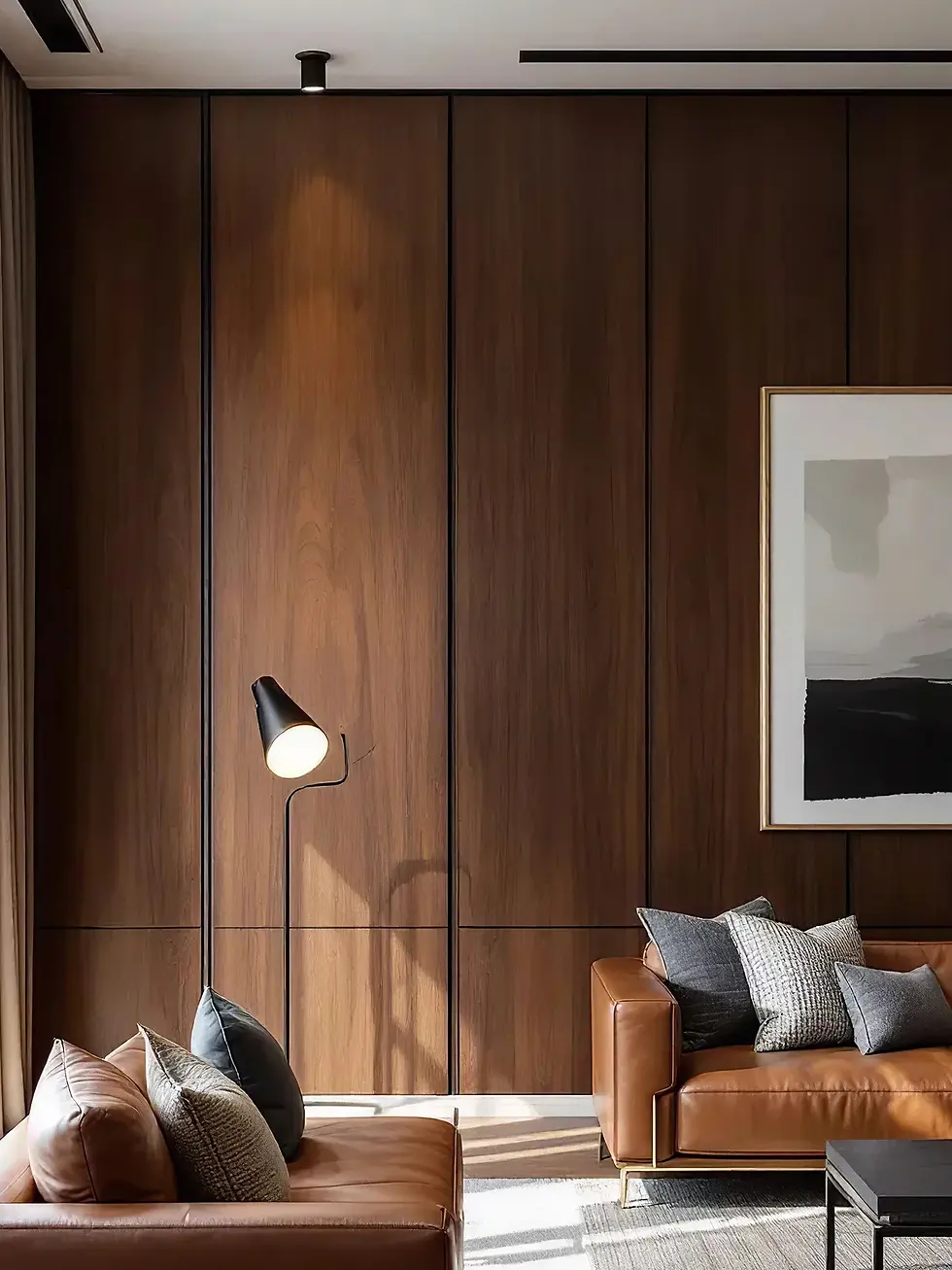
vinyl wrap for instant surface upgrades
Choose vinyl wrap (lamination decorative film) when the “before” problems are surface-level but highly visible:
Dated cabinet faces, worn toe-kicks, scuffed doors
Elevator-like brushed metal looks on appliances panels or feature zones
Laminate counters that read “old” on camera (when a full replacement isn’t in scope)
Example: A warm oak kitchen can photograph heavy and dated. A light, matte wood vinyl wrap on cabinet fronts can shift the entire room’s brightness without changing the layout.
vinyl wrap vs wallpaper for timeline planning
Wallpaper can be excellent for feature walls, but it’s typically less flexible when you need to “wrap the whole story” across doors, trim, columns, and millwork. If the space needs a unified refresh across mixed surfaces, vinyl wrap usually wins on speed and scope control.
How does vinyl wrap compare to wallpaper for photo-real finishes?
The goal isn’t just “new”—it’s believable at a glance.

vinyl wrap for texture that reads premium on camera
A well-chosen vinyl wrap (lamination decorative film) can deliver:
Consistent grain direction and modern neutrals
Matte or soft-touch finishes that reduce glare
Subtle embossing that hides micro-scuffs better than high-gloss surfaces
Wallpaper can deliver richer pattern storytelling on large walls—but in fast-turn projects, bold patterns can also narrow buyer appeal. If you’re optimizing for broad-market neutrality, vinyl wrap textures often feel quieter and more “built-in.”
What vinyl wrap maintenance and cleaning routines keep finishes crisp?
Showings bring fingerprints; pre-photo days bring quick wipe-downs; kitchens bring splash zones.
vinyl wrap cleaning that avoids haze and edge issues
A simple rule protects most lamination decorative film surfaces:
Remove grit first (microfiber)
Clean gently with mild soap and water
Dry seams/edges—avoid spraying cleaner directly into corners
If a space needs sanitizing/disinfecting (for example, after heavy traffic), CDC guidance emphasizes cleaning before sanitizing or disinfecting because dirt can reduce how well the chemicals work.
Authoritative educational reference to place here: CDC’s “Cleaning and Disinfecting” guidance (clean first; disinfect only when needed).
Where does vinyl wrap outperform wallpaper in kitchens, baths, and touch zones?
These are the areas that silently decide whether a space feels “fresh” or “tired.”

vinyl wrap for high-touch and splash-adjacent surfaces
Use vinyl wrap (architectural wrap film / decorative laminate film) when the surface is:
Frequently touched (handles, push areas, closet doors)
Near water or routine wiping (backsplashes, vanity sides, laundry areas)
Prone to scuffs (hall entries, mudroom-style pass-throughs)
Wallpaper can shine on protected, low-contact walls—especially behind staging moments like a bed wall or dining vignette. But when the surface gets wiped weekly, vinyl wrap is typically the safer “keep-it-clean” choice.
Which vinyl wrap decision reduces risk when reversibility matters?
Fast-turn projects often require upgrades that look permanent but behave temporary.
vinyl wrap risk control: test, prep, and exit strategy
To reduce removal surprises:
Patch test on the exact paint/substrate (older paint + poor adhesion is the real risk)
Avoid installing over fragile, peeling, or chalky surfaces
Plan edges and seams away from constant moisture and scrubbing zones
Wallpaper can be reversible too (especially removable types), but outcomes depend heavily on wall condition and installation quality. If the project involves multiple substrates beyond drywall, vinyl wrap generally offers a more predictable path.
FAQ: vinyl wrap vs wallpaper
1) Can vinyl wrap look “built-in,” not temporary?
Yes—matte finishes, aligned grain direction, and clean edge detailing are what make it read like millwork, not a cover-up.
2) Will vinyl wrap damage paint when removed?
It depends on paint quality, curing, and wall condition. Always patch test, especially on older or recently painted surfaces.
3) Can vinyl wrap go over textured walls?
Sometimes, but texture can telegraph through. Smoother walls deliver the most “new construction” look.
4) Is vinyl wrap or wallpaper better for a single feature wall?
Wallpaper often wins for pattern storytelling. Vinyl wrap wins when you want subtle texture, easy wipe-down, and a quiet, modern finish.
5) How do I keep vinyl wrap from lifting at corners?
Don’t spray cleaner directly into seams, dry edges after cleaning, and avoid placing seams in splash zones.
6) Does vinyl wrap handle frequent cleaning?
Most issues come from technique (dry rubbing grit, harsh abrasives). Clean gently, remove grit first, and dry fully. If disinfecting is required, CDC recommends cleaning first.
7) Is vinyl wrap better than wallpaper for kitchens and closets?
Often yes—those zones are high-touch and frequently wiped, where wrap-style lamination decorative film tends to be more forgiving.
8) Can I combine vinyl wrap and wallpaper in one project?
That’s often the best strategy: wallpaper where it’s protected and visual, vinyl wrap where it gets touched, cleaned, or scuffed.

Want a spec recommendation for your next quick-turn refresh?
Tell us what you’re updating (cabinets, doors, walls, counters), what the substrate is (painted drywall, MDF, laminate board, metal), and your timeline (photos/showings).
We’ll recommend the right vinyl wrap / lamination decorative film approach—plus a simple maintenance checklist to keep everything looking crisp through the selling window.
Contact: support@gevitt.com
Phone/WhatsApp: +86 15738309271
January 13, 2026 — Dora (Sales Manager)


Comments